


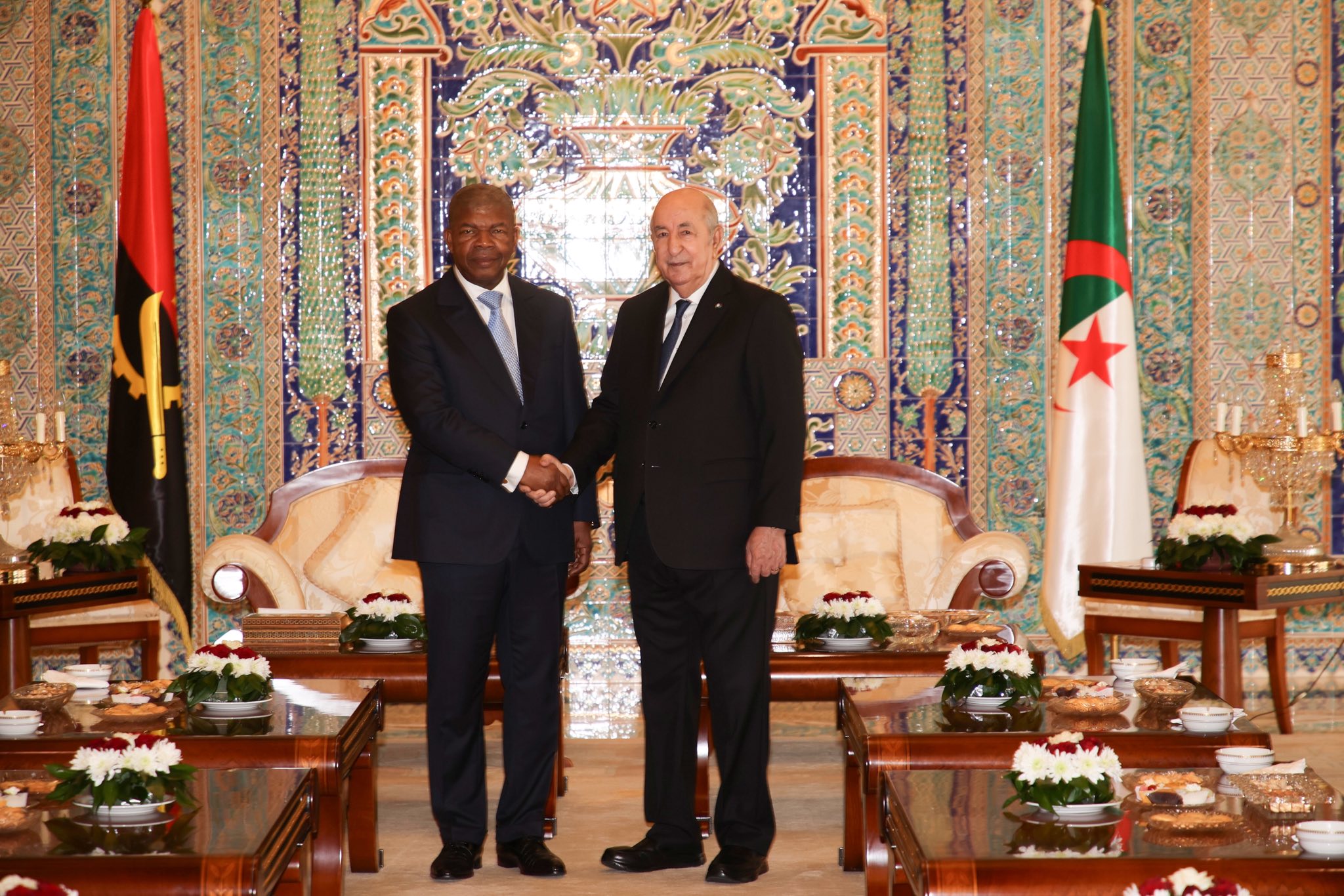
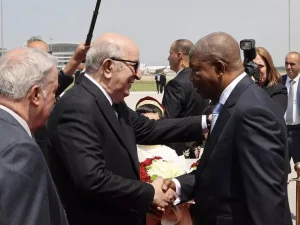
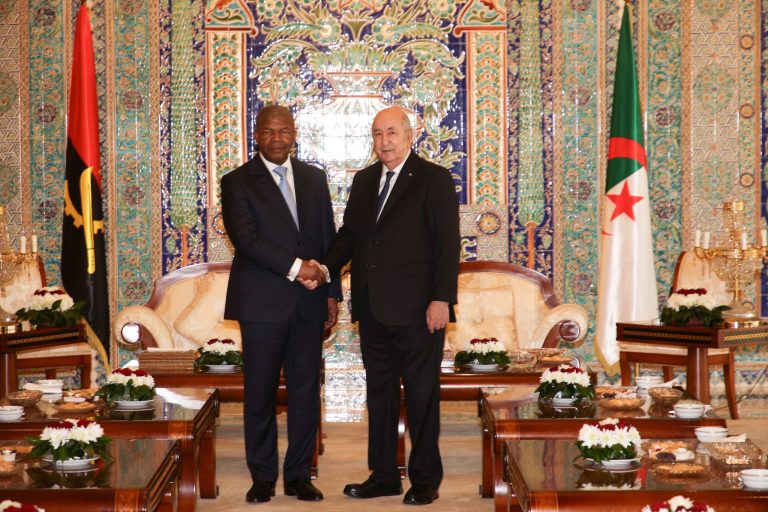
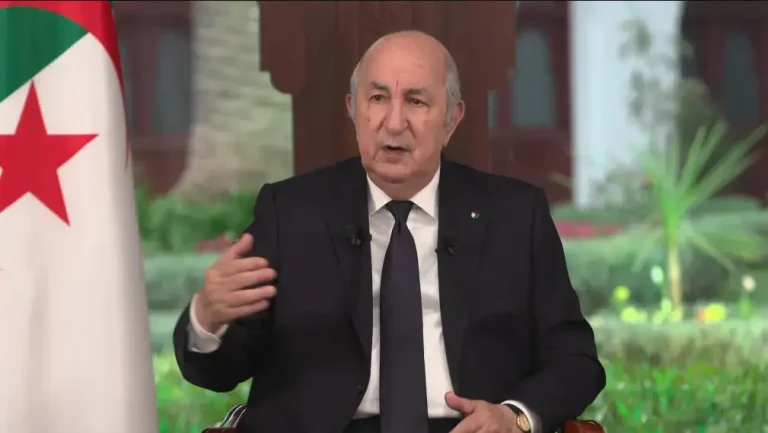
Angolan President João Lourenço arrived in Algiers on Monday for a state visit, where he was welcomed at Houari Boumediene International Airport by President Abdelmadjid Tebboune. The highly ceremonial scene nevertheless says much about a bilateral relationship that is often discreet yet structurally important: that of two capitals linked since the years of liberation struggles and now seeking to transform political closeness into more visible economic partnerships.
Algeria and Angola first and foremost share a common memory. In the aftermath of Algerian independence, Algiers—having become the “Mecca of revolutionaries”—established itself as an active supporter of African anti-colonial movements, including the MPLA in Angola against Portugal. This solidarity has left a lasting legacy: a shared sensitivity to issues of sovereignty, non-interference, and a cautious reading of international power dynamics. In African forums, the two countries regularly align behind the idea of “African solutions to African problems,” at a time when the continent is striving to assert its priorities in peace, governance, and development.
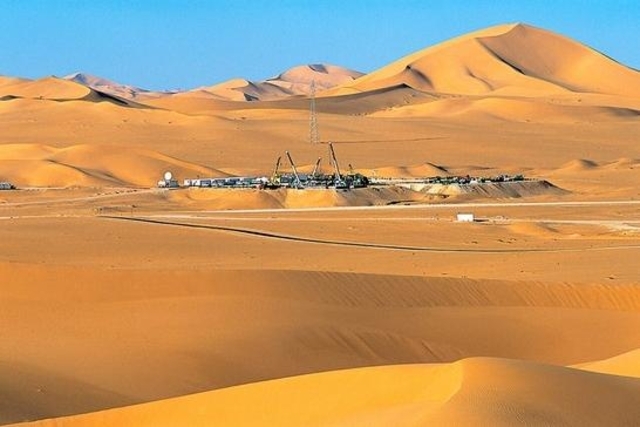
But João Lourenço’s visit also comes at a more economic moment. Algeria, a major gas and oil power, and Angola, a leading oil producer, have long influenced African energy balances, including through the coordination that marked the OPEC/OPEC+ era. Even though Luanda left OPEC at the end of 2023, both countries still face the same challenge: remaining heavily dependent on hydrocarbon revenues while accelerating diversification. In a volatile global market, maintaining open political channels between African producers remains an advantage, both for discussing investment and for defending common interests in the face of price shocks.
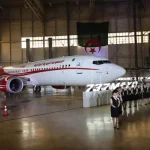
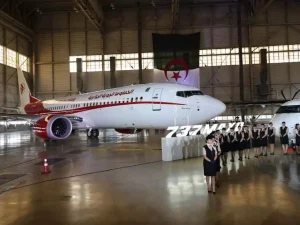
Another, more concrete signal lies in connectivity. For several months, Algiers has been pursuing a strategy of economic projection into Africa: banks, state-owned companies, non-hydrocarbon exports, and new air links to African capitals, with Luanda among the announced destinations. For economic operators, a direct air connection is not merely symbolic: it shortens distances, facilitates business missions, and could eventually secure logistical chains for industrial and energy projects.
On the geopolitical level, the interest is mutual. Algeria is a key player in the Sahel and North Africa, while Angola plays a stabilizing role in Central and Southern Africa, notably through regional mediation efforts. Dialogue between Algiers and Luanda, on a continent exposed to security tensions and rivalries of influence, carries weight because of its coherence: that of states defending African strategic autonomy while simultaneously seeking tangible economic results.
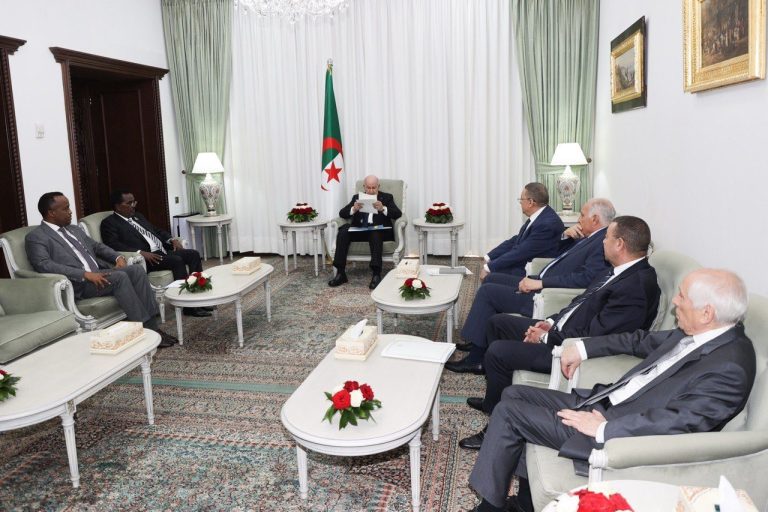
The state visit, which is expected to include high-level bilateral talks, thus appears to be an attempt to move the Algiers–Luanda axis from historical fraternity toward a more visible and operational cooperation based on shared interests.




+ There are no comments
Add yours