



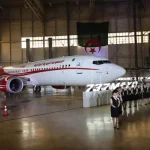



Air Algérie is entering a new dimension. In the span of a single day, the national airline signed a strategic memorandum of understanding with the Algiers Airport Services and Infrastructure Management Company (SGSIA) for the construction of a modern cargo center, while also unveiling an unprecedented commercial expansion program toward Africa, Asia, and Europe. A press conference held Thursday in Algiers, jointly led by Air Algérie CEO Hamza Benhamouda, SGSIA CEO Mokhtar Saïd Mediouni, and Air Algérie Cargo Director General Abdelkader Salmi, highlighted the scale of this ongoing transformation.
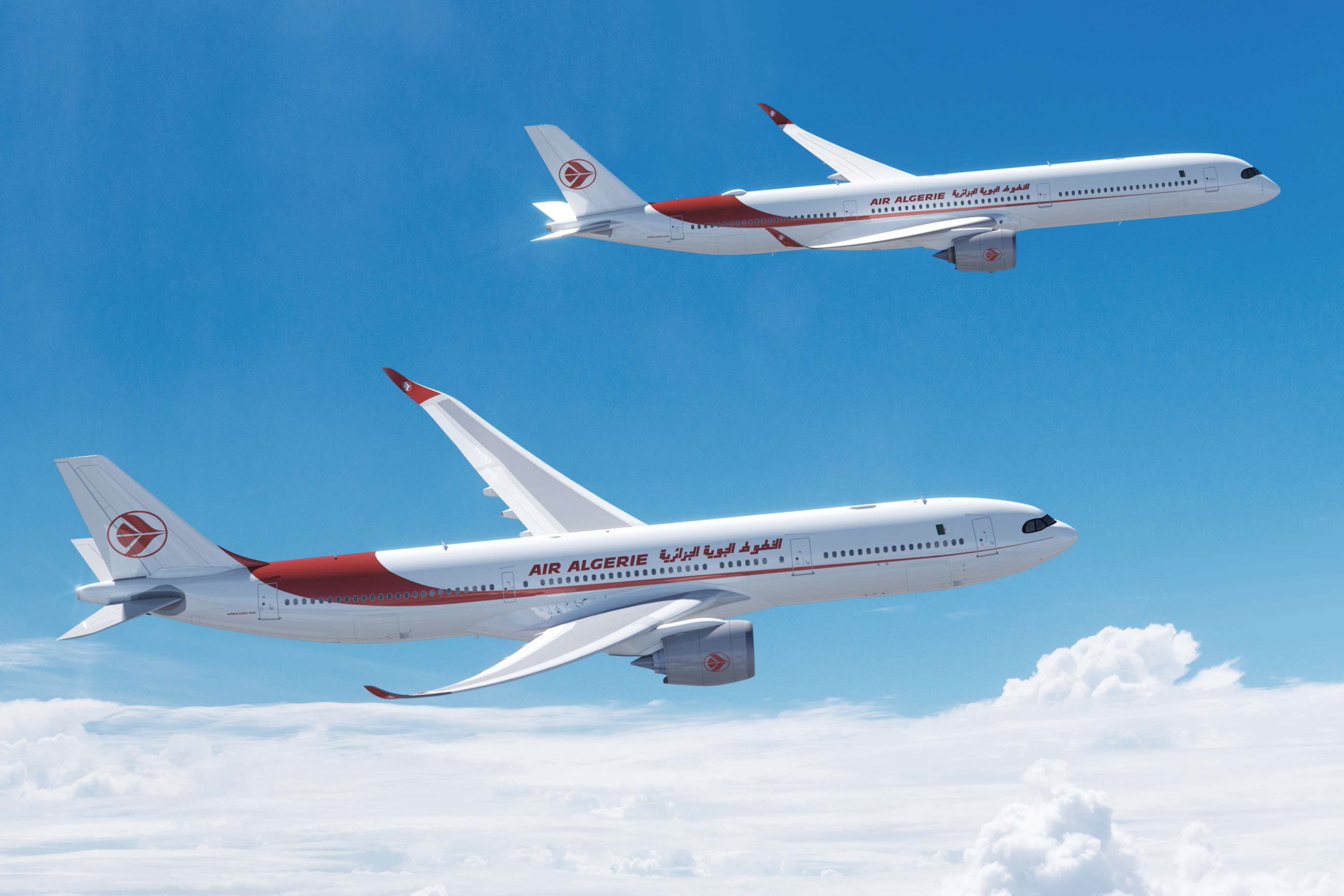
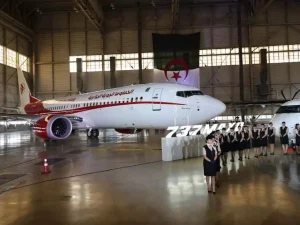
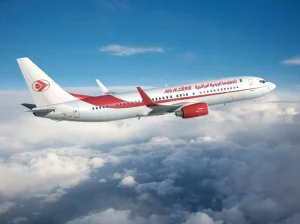
On the passenger network development front, Hamza Benhamouda announced the imminent launch of the Algiers–Libreville route, scheduled for mid-June, to be followed by the inauguration of four additional African destinations: Luanda (Angola), Maputo (Mozambique), Accra (Ghana), and Lagos (Nigeria). Beyond the African continent, the airline plans to open a route to Shanghai in winter 2026, as well as a new European destination with Warsaw, the Polish capital. The CEO noted, however, that “the implementation of this program depends on the continued delivery of newly acquired aircraft,” thus directly linking commercial expansion to the ongoing fleet renewal.
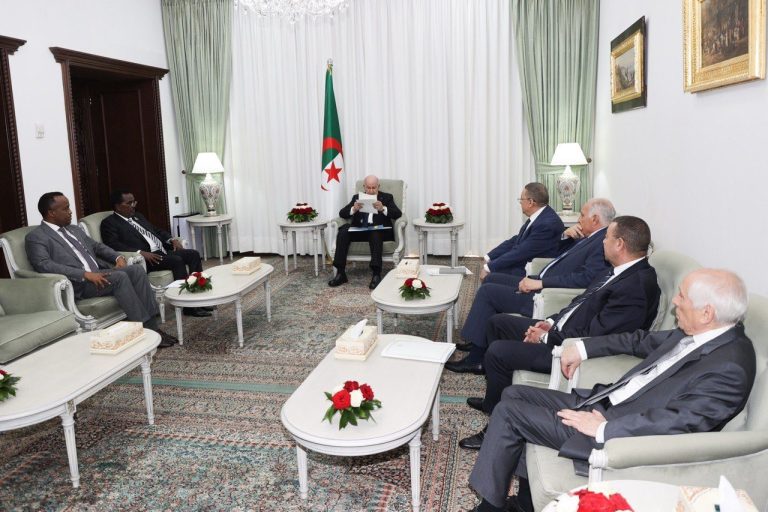
It is precisely within this context of growth that the signing of the memorandum of understanding for the cargo center project takes place. The document was signed in the presence of high-level figures, including Sonatrach Group CEO Nour Eddine Daoudi, Director General of Customs Major General Abdelhafid Bakhouche, Director General of the Algerian Investment Promotion Agency Omar Rekkache, and President of the National Union of Public Entrepreneurs Ahmed Belayat, underscoring the project’s interministerial and strategic dimension. The future center will be located in the southeastern zone of the airport, through the redevelopment and rehabilitation of Terminal 3, whose current building covers an area of 10,530 square meters with a storage capacity of 25,500 cubic meters. It will include areas dedicated to import and export cargo processing, modern warehouses, cold storage facilities for sensitive and pharmaceutical products, rapid sorting zones, customs inspection areas, and loading docks. An additional extension of 5,000 square meters is also planned within twenty-four months. The timeline for completing the first phase is set at twelve months, and the project is based on a self-financing model backed by a thirty-year operating contract.
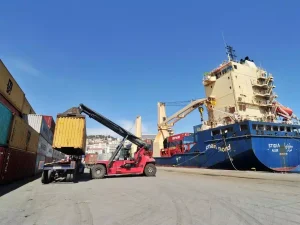
For Hamza Benhamouda, this project represents far more than just additional infrastructure. He stated that it “is part of efforts to diversify the economy and promote non-hydrocarbon exports, while also activating mechanisms of economic integration, such as the African Continental Free Trade Area.” He also announced projections estimating “an increase in cargo volumes from around 19,000 tons in 2023 to more than 65,000 tons by 2029,” figures that “clearly reflect accelerating demand and growing confidence in national air cargo capabilities.” These prospects build on already remarkable growth: 26.5% in 2023, a “qualitative leap” of 31% in 2024, and sustained momentum exceeding 25% in 2025. To strengthen its operational capacity, the group plans to convert five additional aircraft for cargo operations, bringing the total fleet to six aircraft, in order to target new markets in Africa, Asia, and North America. Hamza Benhamouda also announced the upcoming conclusion of a strategic partnership agreement between Air Algérie Cargo and Ethiopian Airlines, “enabling the optimal use of both companies’ networks” across the African continent.
At Algiers Airport, transformation is equally significant. Mokhtar Saïd Mediouni indicated that Houari Boumediene Airport recorded more than ten million passengers in 2025, with projections exceeding eleven million in 2026. Work is underway to develop Terminal 1, particularly by directing low-cost flights there. Smart check-in systems and self-service passenger flows supported by biometric recognition technologies will be introduced starting next summer, helping to reduce waiting times. Electric buses and a bird hazard management system will complement these measures. For Mokhtar Saïd Mediouni, these initiatives reflect “a genuine commitment to developing the national air transport sector, strengthening its competitiveness, and consolidating the position of Algiers Airport as a major regional hub.” An ambition summarized by Air Algérie Cargo Director General Abdelkader Salmi in a single phrase: to make Algiers Airport “a regional logistics platform capable of attracting trade flows.”






+ There are no comments
Add yours